
The Quiet Art of Simmering is a fundamental cooking technique that transforms simple ingredients into rich, layered dishes. Unlike boiling or frying, simmering uses gentle, controlled heat to extract flavor slowly while preserving texture. Understanding how to simmer correctly can improve soups, sauces, broths, stews, grains, and even desserts.
This guide explains what simmering is, why it matters, and how to apply it in everyday cooking for consistent, high-quality results.
What Is Simmering?
Simmering is cooking food in liquid at a temperature just below boiling – typically between 85°C andesson 96°C. Instead of rapid, rolling bubbles, a simmer produces small, steady bubbles that gently rise to the surface.
Visual Signs of a Proper Simmer
- Small bubbles breaking occasionally
- Light steam rising steadily
- No vigorous agitation of ingredients
Maintaining this temperature prevents overcooking and protects delicate textures.
Why Simmering Improves Flavor
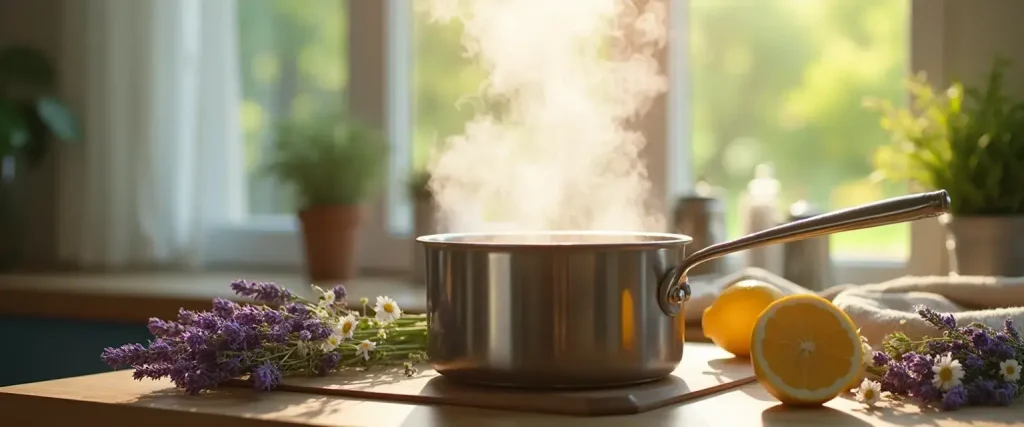
Simmering allows ingredients to release flavors gradually. High heat can toughen proteins and evaporate aromatic compounds too quickly.
Benefits of Simmering
- Tenderizes tougher cuts of meat
- Extracts flavor from bones and vegetables
- Thickens sauces naturally
- Preserves nutrients better than rapid boiling
Slow heat also reduces the risk of burning, especially in dairy-based or tomato-based recipes.
Best Dishes for Simmering
The Quiet Art of Simmering works especially well for:
Soups and Broths
Chicken broth, vegetable stock, and bone broth benefit from long, gentle cooking.
Stews
Beef, lamb, and legume-based stews become tender without drying out.
Pasta Sauces
Tomato sauce develops depth and sweetness when simmered slowly.
Grains and Legumes
Rice, lentils, and beans cook evenly without splitting when heat remains controlled.
How to Simmer Correctly
1. Start with a Boil, Then Reduce
Bring liquid to a boil first, then immediately lower the heat.
2. Use the Right Cookware
Heavy-bottomed pots distribute heat evenly and prevent scorching.
3. Keep the Lid Slightly Open
Partially covering allows steam control and gradual reduction.
4. Stir Occasionally
Gentle stirring prevents sticking without disrupting texture.
Common Mistakes to Avoid
- Keeping heat too high – This turns simmering into boiling.
- Overcrowding the pot – Reduces even heat distribution.
- Skipping skimming – Removing foam improves clarity in broths.
- Rushing the process – Flavor needs time to develop.
Precision and patience are key.
Health and Safety Tips
When simmering:
- Ensure proteins reach safe internal temperatures.
- Store leftovers in airtight containers.
- Refrigerate within two hours of cooking.
- Reheat thoroughly before serving.
Following safe food handling practices ensures quality and safety.
Why Slow Cooking Is Trending
Modern home cooks increasingly search for:
- Comfort food recipes
- Traditional cooking techniques
- Slow food methods
- Flavor-building strategies
Simmering aligns with these interests by focusing on technique rather than complexity.
Frequently Asked Questions
Is simmering better than boiling?
For many dishes, yes. Simmering preserves texture and develops flavor more gradually.
How long should I simmer soup?
It depends on ingredients. Vegetable soups may take 30–45 minutes, while bone broths can simmer for several hours.
Can I simmer without a lid?
Yes. Lid position depends on how much reduction you want.
Final Thoughts
The Quiet Art of Simmering is about restraint and control. By managing temperature and allowing time for flavors to develop, you create meals that taste balanced, rich, and satisfying.