
Salt, Smoke, Silence is a minimalist cooking philosophy built on three timeless elements – seasoning, fire, and patience. In a world of complicated recipes and overloaded ingredient lists, this approach returns to fundamentals. By mastering salt, understanding smoke, and embracing silence in the kitchen, home cooks can create deeply satisfying meals with fewer components and more intention.
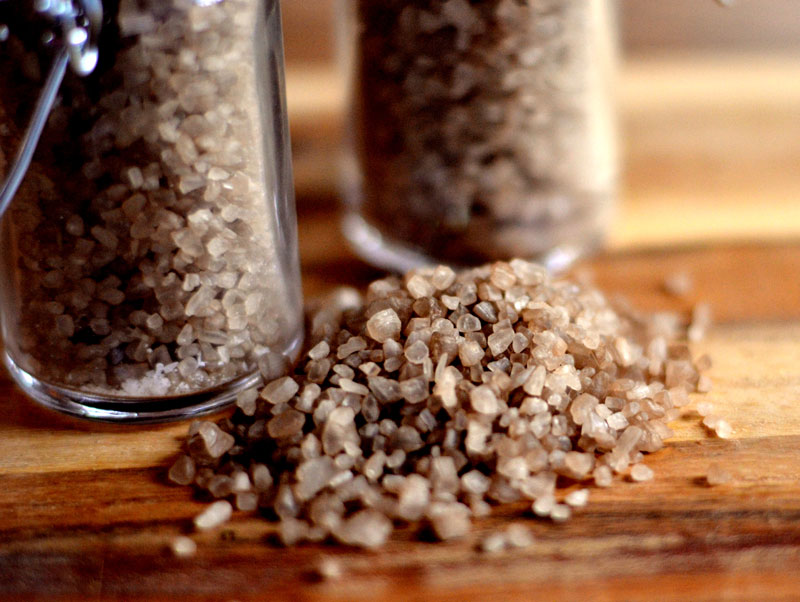
This guide explores how salt enhances flavor, how smoke transforms ingredients, and why quiet cooking often produces the best results.
Why Salt Is the Foundation of Flavor
Salt is not just a seasoning – it is a flavor amplifier. Used correctly, it balances sweetness, reduces bitterness, and enhances natural aromas.
How Salt Works
- Draws out moisture to concentrate flavor
- Enhances natural umami
- Improves texture in meats and vegetables
- Strengthens gluten structure in baking
Best Practices for Salting
- Season in layers, not only at the end
- Use coarse salt for finishing
- Taste and adjust gradually
- Salt proteins in advance for better absorption
Proper salting transforms simple ingredients like tomatoes, eggs, or roasted potatoes into memorable dishes.
Smoke – Controlled Fire, Controlled Flavor
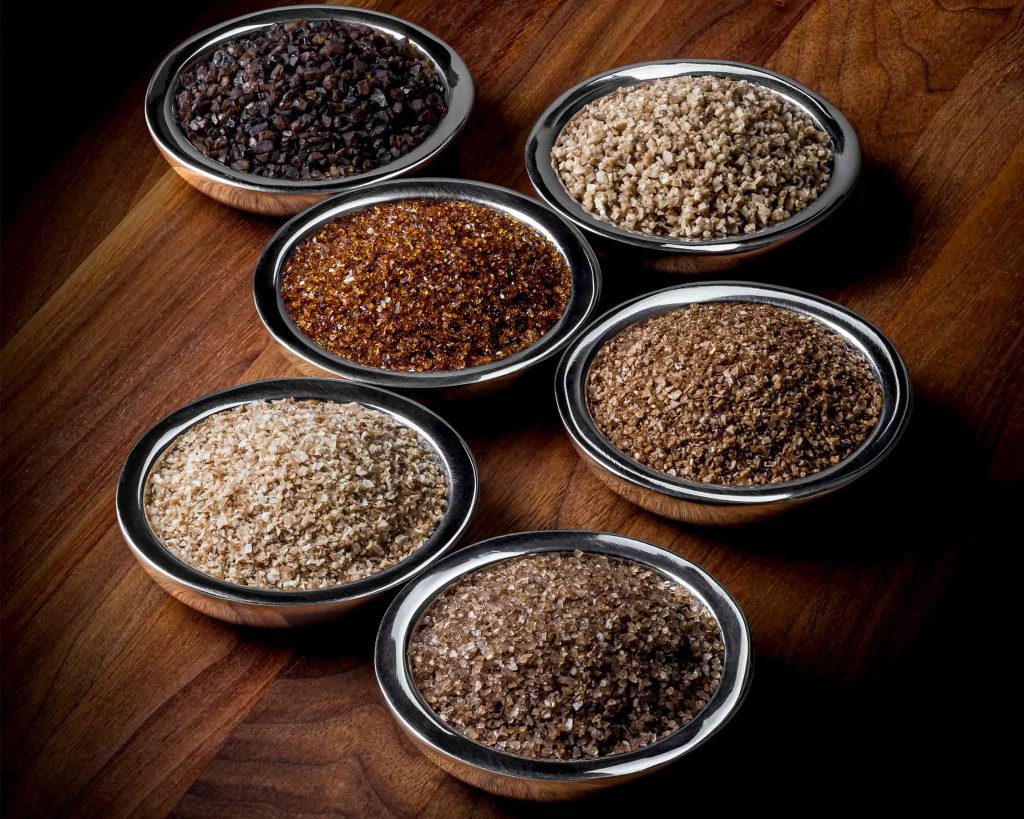
Smoke adds depth, complexity, and character. When used carefully, it introduces subtle bitterness and rich aroma without overpowering the dish.
Ways to Cook with Smoke
- Grilling over hardwood
- Smoking meats low and slow
- Using smoked salt or smoked paprika
- Charring vegetables lightly
Benefits of Smoke Cooking
- Creates caramelization through the Maillard reaction
- Adds natural preservation qualities
- Enhances aroma before the first bite
Whether preparing grilled fish, roasted eggplant, or slow-smoked brisket, smoke should complement, not dominate.
Silence – The Forgotten Ingredient
Silence in cooking means slowing down and allowing ingredients to develop naturally. It involves:
- Letting meat rest before slicing
- Allowing dough to ferment fully
- Avoiding constant stirring
- Giving pans time to heat properly
Rushing disrupts texture and flavor. Silence encourages attention – listening to the sound of oil heating, observing browning, and smelling subtle changes.
Applying Salt, Smoke, Silence at Home
You do not need professional equipment. Start with simple dishes:
Grilled Vegetables
Salt lightly, grill over steady heat, let them rest before serving.
Pan-Seared Steak
Season early, sear over high heat, allow to rest in silence before cutting.
Rustic Bread
Salt accurately, bake with steam, let cool completely before slicing.
These techniques rely on timing and control rather than complicated steps.
Ingredient Quality Matters
Minimalist cooking highlights every element. Choose:
- Fresh vegetables
- Quality proteins
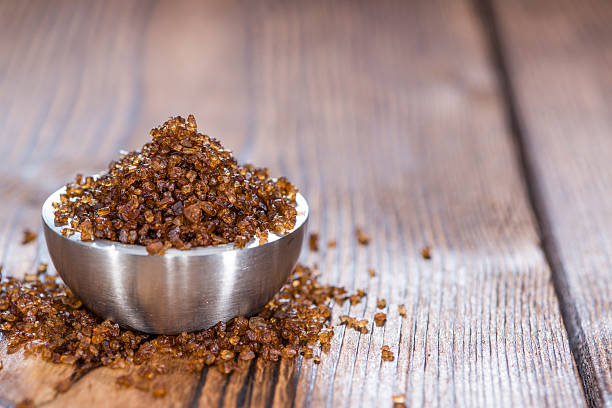
- Natural sea salt
- Clean-burning wood or charcoal
With fewer ingredients, quality becomes more noticeable.
Health and Safety Considerations
When working with smoke and high heat:
- Ensure proper ventilation
- Avoid burning oils
- Cook proteins to safe internal temperatures
- Store leftovers correctly
Balanced use of salt is recommended as part of a varied diet.
Why Minimalist Cooking Is Growing
Modern home cooks increasingly search for:
- Simple ingredient recipes
- Traditional cooking techniques
- Slow food practices
- Flavor-focused methods
Salt, Smoke, Silence aligns with these interests by emphasizing control, quality, and patience.
Frequently Asked Questions
Is smoked food unhealthy?
Occasional smoked foods can be part of a balanced diet. Avoid excessive charring and use moderate temperatures.
How much salt is enough?
Start small and build gradually. Taste throughout the cooking process.
Do I need a smoker?
No. A grill, cast iron pan, or oven broiler can create similar flavor effects.
Final Thoughts
Salt, Smoke, Silence is not about restriction – it is about intention. By focusing on core techniques and respecting ingredients, you can create meals that are flavorful, balanced, and satisfying without complexity.