
Bread That Remembers is a concept rooted in traditional baking – dough shaped by time, temperature, and natural fermentation. Unlike fast commercial loaves, slow-fermented bread develops complex flavor, improved texture, and a structure that reflects the environment in which it was made.
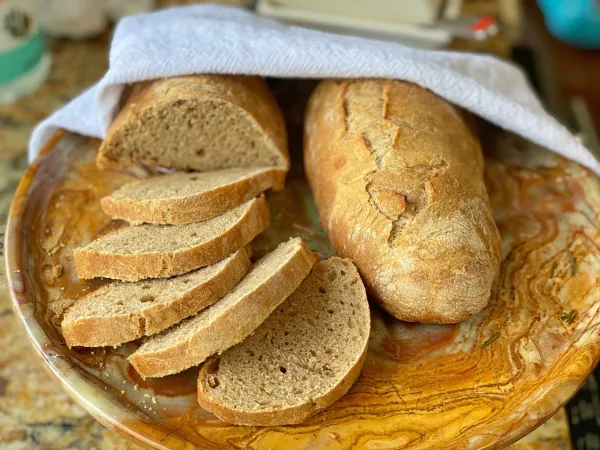
In this guide, you will learn how fermentation works, why time matters in bread baking, and how to create flavorful homemade bread using simple, high-quality ingredients.
What Does “Bread That Remembers” Mean?
Bread “remembers” through fermentation. Wild yeast and beneficial bacteria interact with flour and water, creating organic acids, aroma compounds, and natural structure. This biological process gives each loaf a distinct character influenced by:
- Ambient temperature
- Hydration level
- Fermentation time
- Type of flour used
- Natural yeast activity
The longer and more controlled the fermentation, the more pronounced the flavor profile becomes.
The Science Behind Fermentation
Fermentation begins when yeast consumes sugars in flour, producing carbon dioxide and organic acids. These reactions:
- Create air pockets in the dough
- Strengthen gluten networks
- Develop subtle sourness
- Improve crust formation
- Enhance aroma
Slow fermentation – typically 8 to 24 hours – allows deeper flavor development compared to rapid-rise methods.
Benefits of Slow-Fermented Bread
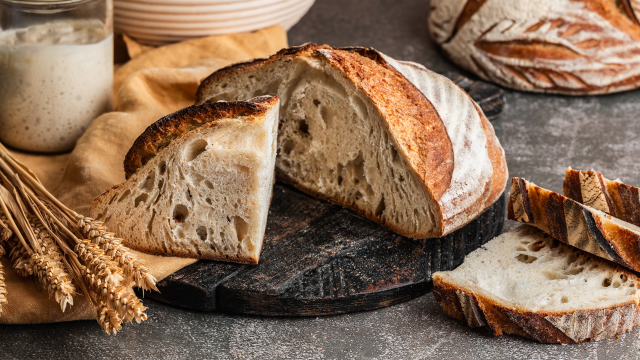
1. Enhanced Flavor
Organic acids and enzymes produce a balanced tang and natural sweetness.
2. Better Texture
Long fermentation improves crumb structure and chewiness.
3. Improved Digestibility
Extended fermentation may help break down certain starches and proteins, making bread easier to digest for some individuals.
4. Natural Preservation
Acidity can extend shelf life without additives.
Ingredients That Matter
To bake bread that remembers, focus on simplicity:
- Unbleached flour
- Filtered water
- Natural sourdough starter or minimal commercial yeast
- Sea salt
Fewer ingredients highlight quality and technique.
How to Bake Bread That Remembers
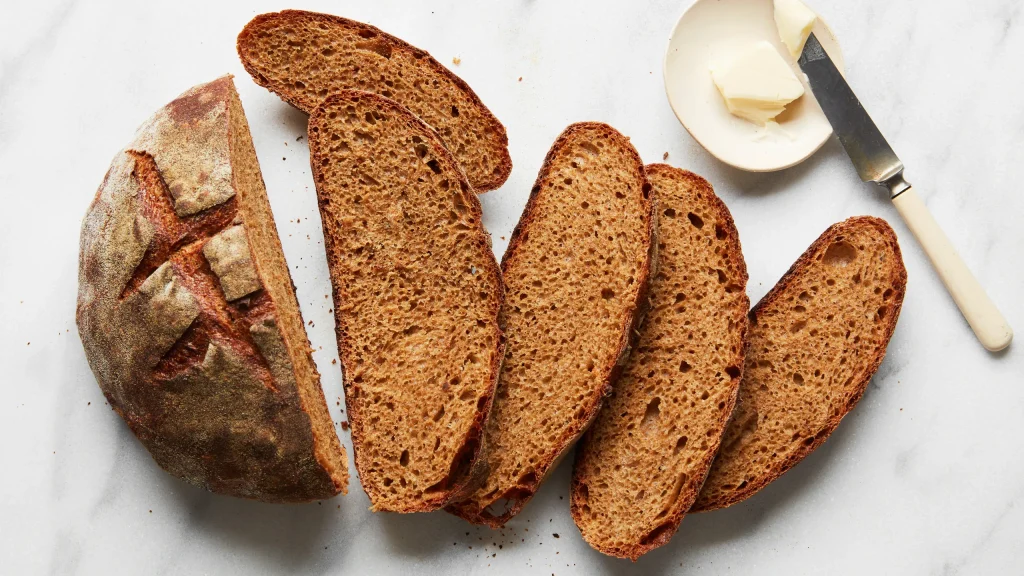
Step 1 – Mix and Rest
Combine flour and water, allow autolyse for 停售30 to 60 minutes before adding salt and starter.
Step 2 – Bulk Fermentation
Let dough rise slowly at room temperature or refrigerate overnight for controlled development.
Step 3 – Shape Gently
Preserve air structure while forming the loaf.
Step 4 – Proof Properly
Allow final rise until dough responds slowly to gentle pressure.
Step 5 – Bake with Steam
Steam during the first stage of baking improves oven spring and crust formation.
Common Mistakes to Avoid
- Rushing fermentation
- Using overly warm environments
- Adding too much yeast
- Skipping resting periods
Patience directly impacts final quality.
Storage and Freshness Tips
- Store at room temperature in breathable wrapping
- Avoid refrigeration, which can dry out crumb
- Slice only when fully cooled
- Freeze extra portions for long-term storage
Proper storage preserves texture and flavor.
Why Traditional Bread Is Gaining Popularity
Home bakers increasingly value:
- Artisan bread techniques
- Natural fermentation
- Additive-free baking
- Handmade food preparation
Bread That Remembers aligns with these preferences by prioritizing time and craftsmanship over speed.
Frequently Asked Questions
Is sourdough healthier than regular bread?
Sourdough fermentation can alter starch and protein structure, but overall nutritional value depends on ingredients and portion size.
How long should I ferment dough?
Most sourdough recipes benefit from 8–24 hours of controlled fermentation.
Can beginners try this method?
Yes. Start with a simple sourdough recipe and practice timing and temperature control.
Final Thoughts
Bread That Remembers is not about complexity – it is about respect for process. By allowing fermentation to work naturally, you create bread with deeper flavor, improved structure, and authentic character.